
A shale shaker is the first separation stage in a drilling-fluid solids control system. Correct selection protects downstream equipment, controls dilution cost and helps maintain stable mud properties. The best model is determined by the complete operating envelope—not by a single advertised flow-rate number.
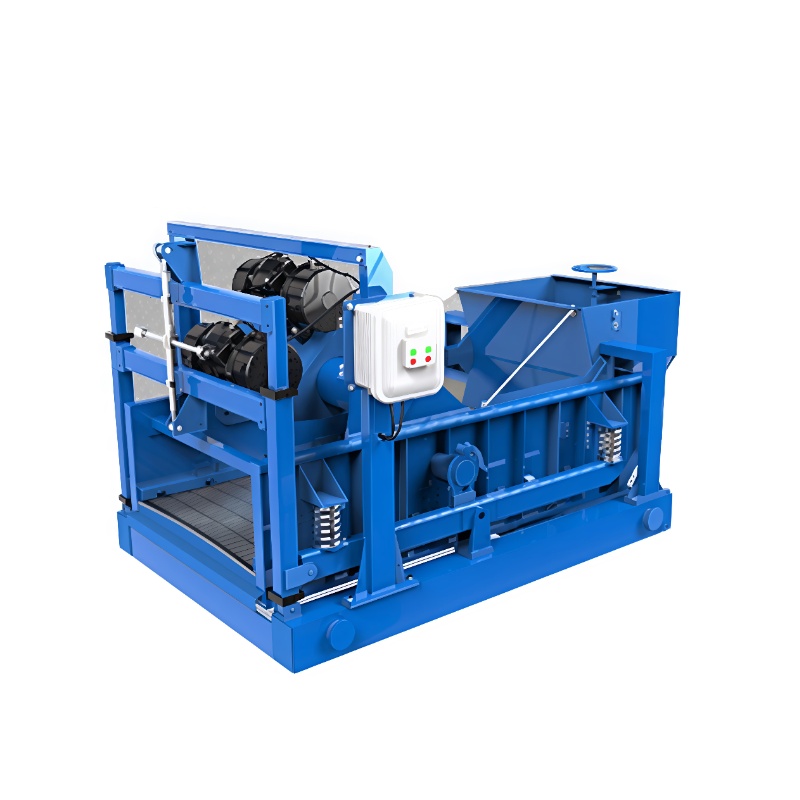
- Six parameters that determine the correct shaker
- How to compare supplier quotations
- Screen and spare-parts planning
- RFQ information checklist
1. Start with actual circulating flow
State the normal and maximum circulating rates, mud density, viscosity range, solids loading and expected temperature. Published nominal capacity is normally based on a defined test fluid and may not represent heavy, viscous or highly contaminated drilling mud. Ask the supplier to explain the assumptions behind the proposed capacity and whether the duty point is for one unit or for multiple shakers operating in parallel.
2. Confirm deck configuration and screen area
Linear-motion and balanced-elliptical designs are common choices. The deck length, usable screen area and adjustable deck angle determine retention time and liquid recovery. A larger theoretical screen area is not automatically better if the flow distribution, screen tension or deck adjustment is poor. Confirm the number of screen panels, panel dimensions, locking method and whether the screens can be replaced safely with standard site tools.
3. Evaluate vibration performance
G-force, vibration pattern and motor synchronization affect cuttings conveyance and screen life. High G-force may improve conveyance in some conditions, but excessive settings can shorten screen life or increase mud loss. Request the adjustable range, operating recommendation and vibration-motor data. The final setting should be selected during commissioning according to fluid properties and cuttings condition.
| Comparison item | What to request | Why it matters |
|---|---|---|
| Processing capacity | Normal and maximum duty at stated mud properties | Prevents selecting from a nominal water-based figure |
| Screen system | Panel size, mesh options, API designation and locking method | Controls separation performance and consumable availability |
| Vibration | Motion type, adjustable G-force and motor data | Affects conveyance, fluid recovery and screen life |
| Materials | Deck, basket, fluid-contact and coating specifications | Supports corrosion resistance and service life |
| Electrical | Voltage, frequency, hazardous-area classification and certificates | Ensures compliance at the installation site |
| Maintenance | Wear-part list, recommended spares and replacement procedure | Reduces commissioning and operational downtime |
4. Treat screens as part of the equipment decision
Screen availability and total operating cost can be more important than the initial machine price. Confirm the screen frame type, mesh range, API screen designation, expected storage quantity and packing method. For an export project, include commissioning screens plus a separately identified operating-spares package. If a replacement screen must match an existing unit, send the exact machine model, panel dimensions, fixing detail and clear photographs.
5. Check integration requirements
The shaker must fit the mud tank, feeder, overflow arrangement and walkways. Provide the permitted footprint, inlet height, discharge direction and crane or forklift limitations. Also state the destination electrical standard, ambient temperature, coating requirement and hazardous-area classification. These points should be fixed before final drawing approval.
RFQ checklist
- Rig type and application
- Normal and maximum flow rate
- Mud type, density and viscosity
- Expected solids loading
- Preferred screen specification
- Voltage and frequency
- Hazardous-area requirement
- Available installation space
- Required accessories and spares
- Destination port and required delivery date
Request a shale shaker selection
Send the checklist above. Lifeng Energy can return a proposed configuration, general arrangement drawing, recommended screen package and commercial quotation for technical confirmation.